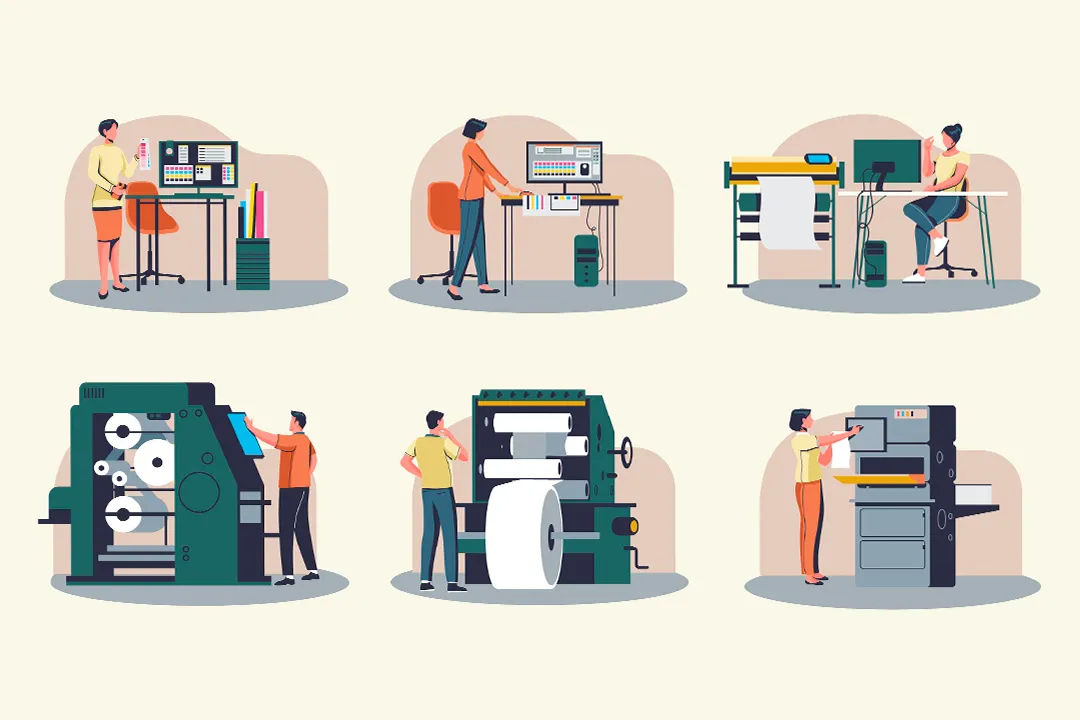
Printing equipment represents a significant investment for businesses involved in commercial printing, packaging production, label manufacturing, publishing, and industrial printing operations. Whether operating digital presses, offset printers, flexographic systems, label printers, or large-scale commercial printing equipment, regular Maintenance printing machines in Singapore is essential for maintaining performance, reducing downtime, and protecting long-term business profitability.
Many businesses focus heavily on acquiring advanced printing technology but underestimate the importance of a structured maintenance programme. Even the most sophisticated printing systems require consistent care to operate efficiently and deliver reliable results. Without proper maintenance, businesses may experience declining print quality, increased repair costs, production delays, and unexpected equipment failures.
A comprehensive maintenance strategy helps organisations maximise equipment lifespan while ensuring consistent production performance. By combining routine cleaning, preventative inspections, consumable management, and professional servicing, businesses can significantly improve operational reliability and productivity.
Why Maintenance Printing Machines in Singapore Is Important
Modern printing equipment consists of complex mechanical, electronic, and software-driven components that work together to produce high-quality printed materials. Continuous operation exposes these components to dust, ink residue, paper particles, adhesive buildup, heat, and mechanical wear.
Without regular maintenance, small issues can gradually develop into major operational problems. Print defects, colour inconsistencies, feeding issues, registration errors, and mechanical failures often originate from neglected maintenance routines.
A proactive maintenance approach allows businesses to identify potential concerns before they affect production output. Regular inspections and servicing help ensure that machines continue operating within manufacturer specifications while maintaining optimal performance.
For businesses that rely on printing equipment to fulfil customer orders and production schedules, maintenance is not simply a technical requirement. It is a critical business function that supports efficiency, profitability, and customer satisfaction.
The Impact of Proper Maintenance on Print Quality
Print quality is one of the most visible indicators of machine performance. Customers expect sharp images, accurate colours, clean text, and consistent output regardless of order size. High-quality printing equipment helps meet these expectations while supporting brand consistency, customer satisfaction, and professional presentation across all printed materials.
When maintenance is neglected, print quality often deteriorates gradually. Dirty print heads, contaminated rollers, worn components, and improperly calibrated systems can lead to defects that affect finished products.
Regular maintenance helps preserve colour accuracy, registration precision, and image consistency. Well-maintained equipment operates more predictably and produces higher-quality output with fewer production interruptions.
Consistent print quality also reduces material waste because fewer products need to be reprinted due to quality defects. Over time, these improvements contribute to stronger operational efficiency and better customer relationships.
Businesses that prioritise maintenance often achieve higher production standards and improved brand reputation by ensuring consistent equipment performance, reducing defects, minimising downtime, and delivering reliable, high-quality output to customers.
Regular Cleaning Machines: The Foundation of Equipment Care
One of the most important aspects of regular cleaning machines involves removing contaminants that accumulate during daily production, helping to maintain optimal performance, prevent equipment wear, and ensure consistent print quality throughout the production process.
Printing environments naturally generate dust, paper fibres, ink residue, adhesives, and other particles that can affect machine performance. These materials often settle on rollers, sensors, print heads, feeding mechanisms, and internal components.
Routine cleaning helps prevent contamination from interfering with machine operation. Clean equipment generally experiences fewer feeding issues, improved print consistency, and reduced component wear.
Cleaning procedures should follow manufacturer recommendations to avoid damaging sensitive parts. Different printing systems may require specialised cleaning products and techniques designed specifically for their operational requirements.
Businesses that implement structured cleaning schedules often experience fewer breakdowns and improved production reliability. Regular cleaning should be viewed as an essential part of preventative maintenance rather than an occasional task performed only when problems occur.
In-House Daily & Weekly Care for Long-Term Reliability
Effective In-House Daily & Weekly Care plays a crucial role in maintaining printing equipment between major service intervals, helping to preserve performance, reduce unexpected breakdowns, extend equipment lifespan, and ensure consistent production quality.
Daily maintenance activities often include visual inspections, cleaning accessible surfaces, checking consumable levels, monitoring machine performance, and identifying unusual operating conditions. These simple tasks help operators detect potential issues before they escalate.
Weekly maintenance procedures typically involve more detailed inspections of mechanical components, rollers, feeding systems, sensors, and calibration settings. Regular monitoring allows businesses to address minor concerns before they affect production quality or equipment reliability.
Employee training is particularly important when implementing in-house maintenance programmes. Operators who understand machine operation and maintenance requirements are better equipped to identify early warning signs of potential problems.
A structured daily and weekly maintenance routine helps create a culture of equipment care while reducing the likelihood of unexpected downtime. Consistent preventative action often produces significant long-term operational benefits.
Managing Consumables & Internal Parts Effectively
Properly Managing Consumables & Internal Parts is essential for maintaining equipment performance and controlling operational costs, ensuring reliable production, reducing unnecessary waste, extending component lifespan, and supporting long-term operational efficiency.
Printing machines rely on numerous consumable components, including inks, toners, printing plates, cleaning solutions, filters, rollers, and other replaceable parts. The quality and condition of these materials directly influence production results.
Using low-quality consumables may initially reduce expenses but can lead to increased maintenance requirements, reduced print quality, and accelerated equipment wear. Businesses should select consumables that meet manufacturer specifications and quality standards.
Internal components also require regular monitoring and replacement according to recommended service schedules. Rollers, belts, bearings, gears, and other mechanical parts gradually wear over time and may require replacement before failure occurs.
Maintaining adequate inventories of essential consumables and replacement components helps minimise production disruptions while supporting continuous operations, ensuring timely maintenance, reduced downtime, and improved overall production efficiency.
A proactive consumable management strategy contributes significantly to equipment reliability and long-term performance by preventing unexpected shortages, reducing downtime, and ensuring consistent machine operation and output quality over time.
Professional Servicing & Support for Advanced Equipment Care
While daily maintenance and routine inspections are important, Professional Servicing & Support remains a critical component of comprehensive equipment management, ensuring expert diagnostics, timely repairs, and optimal machine performance for long-term operational reliability.
Professional technicians possess specialised knowledge, diagnostic tools, and technical expertise that enable them to identify issues that may not be visible during routine inspections. They can evaluate machine performance, calibrate systems, replace worn components, and perform preventative servicing procedures that support long-term reliability.
Scheduled professional servicing often helps businesses avoid costly emergency repairs. Technicians can identify developing problems before they cause equipment failures or production interruptions.
Professional maintenance providers also stay updated on manufacturer recommendations, software updates, and technical improvements that may enhance machine performance.
For businesses operating high-volume production environments, professional servicing represents a valuable investment that helps protect equipment assets and maintain operational stability.
Combining professional expertise with internal maintenance practices creates a comprehensive approach to equipment care, ensuring consistent performance, reduced downtime, and improved long-term reliability through both preventive and expert technical support.
Reducing Downtime Through Preventative Maintenance
Unexpected equipment downtime can have significant consequences for printing businesses. Production delays, missed deadlines, dissatisfied customers, and lost revenue often result from machine failures.
Preventative maintenance helps minimise these risks by identifying potential issues before they cause operational disruptions. Businesses that adopt preventative strategies generally experience fewer emergency repairs and more predictable production schedules.
Regular inspections allow technicians and operators to address wear, contamination, and component deterioration before performance declines significantly, helping to prevent breakdowns, maintain consistent output quality, and extend overall equipment lifespan.
Reducing downtime not only improves operational efficiency but also strengthens customer confidence by ensuring reliable order fulfilment.
Preventative maintenance should therefore be viewed as a strategic investment rather than a maintenance expense, as it helps reduce long-term repair costs, minimise downtime, improve equipment reliability, and ensure consistent production efficiency.
Extending Equipment Lifespan Through Proper Maintenance
Printing equipment represents a major capital investment, making asset longevity an important consideration for every business, as extended machine lifespan helps maximise return on investment, reduce replacement costs, and support sustained operational efficiency over time.
Machines that receive consistent maintenance typically operate effectively for longer periods than those subjected to reactive repair strategies. Proper care reduces mechanical stress, minimises component wear, and helps preserve overall system performance.
Extending equipment lifespan delays the need for expensive replacements and improves return on investment. Businesses can continue generating value from existing assets while allocating capital toward growth opportunities and operational improvements.
A long-term maintenance strategy therefore supports both financial and operational objectives by reducing unexpected repair costs, improving equipment uptime, extending machine lifespan, and ensuring consistent production performance.
The cumulative benefits of regular maintenance often exceed the costs associated with implementing structured maintenance programmes.
Preventive Maintenance Issues
Understanding common preventive maintenance issues helps businesses address potential problems before they impact operations, enabling early detection of wear, timely servicing, and improved equipment reliability and performance.
Many equipment failures result from predictable causes such as contamination, component wear, misalignment, inadequate lubrication, or delayed servicing. Preventative maintenance focuses on identifying and resolving these issues before significant damage occurs.
Regular inspections provide valuable opportunities to evaluate machine condition and address minor concerns early. Replacing worn components proactively is often far less expensive than repairing extensive damage after a failure occurs.
Businesses that adopt preventative maintenance strategies generally experience lower repair costs and improved operational consistency by identifying issues early, reducing unexpected breakdowns, and ensuring equipment continues to perform efficiently over time.
A proactive approach helps transform maintenance from a reactive expense into a strategic investment by reducing unexpected breakdowns, improving equipment efficiency, extending asset lifespan, and ensuring consistent operational performance over time.
When to Call a Technician
While routine maintenance can be performed internally, there are situations where businesses should recognise when to call a technician, particularly for complex faults, persistent performance issues, or specialized repairs requiring professional expertise.
Persistent print quality problems, unusual noises, recurring error messages, electrical issues, mechanical malfunctions, and significant performance declines often require professional attention. Attempting complex repairs without appropriate expertise may increase the risk of further damage.
Qualified technicians possess specialised diagnostic tools, technical knowledge, and manufacturer-specific expertise that enable them to identify and resolve complex issues effectively.
Professional servicing also supports preventative maintenance by providing detailed inspections and advanced performance evaluations, helping to identify hidden issues early, optimise machine efficiency, and ensure long-term reliability and consistent production quality.
Combining internal maintenance routines with professional technical support creates a balanced and effective equipment management strategy, ensuring consistent performance, reduced downtime, improved reliability, and extended equipment lifespan through both routine care and expert intervention.
Businesses that seek professional assistance when needed often achieve greater equipment reliability and reduced long-term maintenance costs by ensuring timely repairs, expert diagnostics, and effective resolution of technical issues before they escalate.
Conclusion
Effective Maintenance printing machines in Singapore is essential for businesses seeking reliable production performance, consistent print quality, and long-term equipment value. Through a combination of regular cleaning, structured in-house maintenance routines, proactive consumable management, and professional servicing support, organisations can significantly reduce operational risks while improving productivity.
As printing technology continues to evolve, businesses that prioritise preventative maintenance are better positioned to maximise equipment performance, control operating costs, and maintain competitive advantages. A well-maintained printing machine not only delivers superior production results but also contributes to stronger business stability and long-term profitability.
Frequently Asked Questions
Why is Maintenance printing machines in Singapore important?
Regular maintenance helps improve print quality, reduce downtime, extend equipment lifespan, and minimise repair costs.
What does Regular Cleaning machines involve?
Regular cleaning removes dust, ink residue, paper particles, and contaminants that can affect machine performance and print quality.
Why is In-House Daily & Weekly Care necessary?
Routine inspections and maintenance activities help identify potential problems early and support long-term equipment reliability.
How does Managing Consumables & Internal Parts improve performance?
Using quality consumables and replacing worn components according to maintenance schedules helps maintain print quality and reduce equipment failures.
What is included in Professional Servicing & Support?
Professional servicing typically includes inspections, diagnostics, calibration, component replacement, preventative maintenance, and technical support.
How often should printing machines be professionally serviced?
Service intervals depend on machine type, production volume, and manufacturer recommendations. Many businesses schedule servicing several times per year.
Can maintenance reduce printing costs?
Yes. Proper maintenance reduces waste, minimises downtime, prevents major repairs, and extends equipment lifespan, resulting in lower long-term operating costs.